Best Coilovers for the 10th Gen Civic Under $1,200
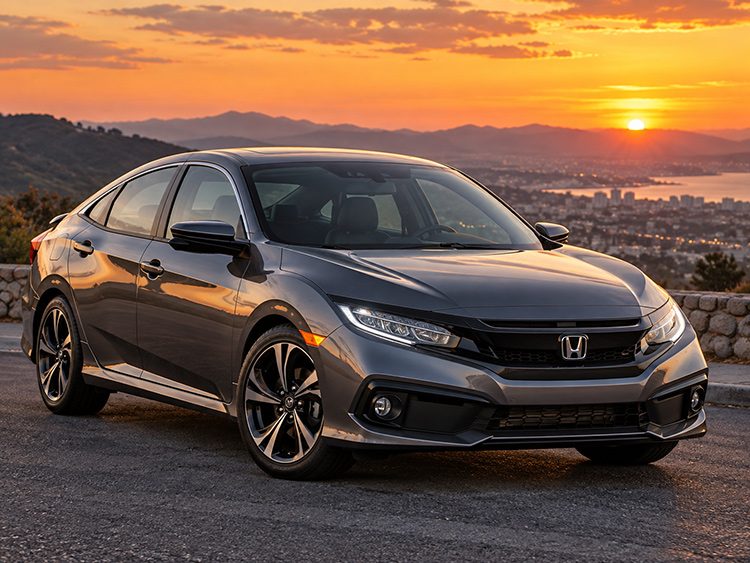
Looking for the best coilovers for your 10th Gen Honda Civic under $1,200? Compare popular options from TEIN, BC Racing, and Godspeed, including ride comfort, handling, adjustability, pricing, and installation tips to find the right suspension upgrade for your Civic.
Looking to lower your 10th Gen Honda Civic without spending a fortune? A good set of coilovers can improve suspension control, reduce excessive body movement, and give your Civic a more aggressive stance. The challenge is finding a kit that balances performance, comfort, durability, and price.
Whether you drive a 2016-2021 Civic LX, EX, Sport, Touring, hatchback, or Si, there are several worthwhile suspension upgrades available for under $1,200. However, not every kit fits every model, and the cheapest option isn't necessarily the best long-term investment.
In this guide, we'll compare four popular coilover options, explain what separates them, and cover what you should know before installing aftermarket suspension on your Honda.
Best Coilovers for the 10th Gen Civic Under $1,200
1. TEIN Flex Z - Best Overall for Daily Driving
Typical Price: $950-$1,200
TEIN Flex Z coilovers are an excellent starting point for Civic owners who want adjustable suspension without completely sacrificing everyday comfort. Their twin-tube damper design emphasizes street usability while still offering meaningful tuning flexibility.
- 16 levels of damping adjustment.
- Full-length ride-height adjustment.
- Twin-tube shock absorber construction.
- Vehicle-specific spring rates and mounting configurations.
- Complete front and rear suspension kit.
Best for: Daily drivers who want improved handling, adjustable ride height, and a reasonably comfortable ride.
Potential downside: Pricing varies by application, and certain versions can approach or exceed the $1,200 limit. Confirm the exact part number before purchasing.
2. BC Racing BR Series - Best for Adjustability
Typical Price: Around $1,195
BC Racing's BR Series is a popular choice among enthusiasts who want greater control over suspension settings. These coilovers use a monotube design and offer extensive damping adjustment, making them appealing for spirited street driving and occasional autocross use.
- 30-click damping adjustment.
- Independent ride-height adjustment.
- Monotube damper construction.
- Rebuildable design.
- Application-dependent camber adjustment options.
Best for: Enthusiasts who want suspension tuning flexibility and may eventually participate in autocross or track events.
Potential downside: At approximately $1,195, these consume nearly the entire parts budget before taxes, alignment, or installation.
3. TEIN Street Advance Z - Best Street-Focused Alternative
Typical Price: Around $900-$1,000
TEIN Street Advance Z offers a more traditional height-adjustable suspension setup. It's worth considering for Civic owners who want to improve appearance and road feel without choosing a particularly aggressive setup.
- 16-level damping adjustment.
- Ride-height adjustment.
- Twin-tube damper construction.
- Street-oriented suspension tuning.
- Vehicle-specific spring and damper configurations.
Best for: Civic owners primarily interested in daily driving and a modest reduction in ride height.
Potential downside: Its adjustment design is less flexible than the full-length height adjustment offered by the Flex Z. Certain applications also require reusing or modifying factory components.
4. Godspeed MonoSS - Best Budget Option
Typical Price: $675-$750
Godspeed MonoSS coilovers provide an affordable entry into adjustable suspension. They're particularly attractive for owners who want to lower their Civic while leaving money available for an alignment and other necessary expenses.
- 16 levels of damping adjustment.
- Monotube shock absorber design.
- Independent spring preload and ride-height adjustment.
- Application-dependent front camber plates.
- Vehicle-specific configurations for compatible Civic models.
Best for: Budget-conscious enthusiasts who want adjustable suspension and a lower stance.
Potential downside: Budget pricing should be weighed against long-term serviceability, warranty coverage, and ride-quality expectations.
What Should You Look for When Buying Coilovers?
Choosing coilovers shouldn't come down to price alone. Several factors determine how well a suspension kit will perform on your Civic.
- Ride comfort: Firmer suspension can improve body control but may transmit more bumps and road imperfections into the cabin.
- Damping adjustment: Adjustable dampers allow you to change how the suspension responds to movement.
- Ride-height adjustment: A modest drop can improve appearance without creating excessive clearance problems.
- Spring rates: Higher spring rates aren't automatically better. They need to match the dampers and intended driving conditions.
- Build quality: Corrosion-resistant components, replacement-parts availability, and manufacturer support matter over time.
- Fitment: Civic sedan, coupe, hatchback, Si, and Type R applications can require different suspension components.
What You'll Need for Installation
If you're comfortable working on your own vehicle, installing coilovers can be a manageable weekend project. Suspension work does require proper lifting equipment, mechanical experience, and attention to safety.
- Metric socket and wrench set.
- Torque wrench with an appropriate torque range.
- Hydraulic floor jack and properly rated jack stands.
- Wheel chocks.
- Breaker bar and suitable penetrating lubricant.
- Hex keys and other tools specified by the coilover manufacturer.
- Coilover adjustment wrenches.
- Shop towels and protective gloves.
- Honda factory service information and coilover installation instructions.
- Access to a professional four-wheel alignment after installation.
Step-by-Step Coilover Installation Overview
- Prepare the vehicle. Park on a flat, solid surface, apply the parking brake, chock the wheels, and loosen the wheel nuts slightly before lifting.
- Lift and support the Civic. Use the designated lifting points and support the vehicle securely with jack stands. Never work underneath a vehicle supported only by a hydraulic jack.
- Remove the factory suspension. Following Honda's service procedures, disconnect the required brackets, links, and mounting hardware. Protect brake hoses, ABS wiring, and nearby components.
- Inspect the new coilovers. Compare the supplied components to the factory suspension. Verify fitment, hardware, spring positioning, and the manufacturer's initial adjustment settings.
- Install the front suspension. Position the new assemblies and secure the mounting hardware according to the manufacturer's instructions. Do not guess at torque specifications.
- Install the rear suspension. Replace the rear spring and damper components using the instructions specific to your kit. The Civic's rear suspension layout may require separate spring and damper installation steps.
- Set the initial ride height. Start with the manufacturer's recommended settings. Keep both sides balanced and ensure adequate clearance for tires, suspension travel, and steering movement.
- Complete the installation. Tighten all hardware to the correct specifications, following the required suspension loading procedures. Reinstall the wheels and torque the lug nuts to Honda's specification.
- Check clearance and operation. Lower the vehicle, settle the suspension, and inspect for interference. Verify that the brake lines and wiring remain properly routed through suspension and steering movement.
- Get a professional alignment. Have the alignment checked and corrected before returning to regular driving. Recheck mounting hardware and ride height as directed by the coilover manufacturer.
Pro tip: Before removing your factory suspension, measure the distance from the center of each wheel hub to the fender opening. Record all four measurements. This provides a reliable reference when setting your new ride height.
How Low Should You Go?
One of the biggest mistakes Civic owners make is lowering their vehicles more than necessary. While an extremely low stance might look appealing, it can reduce suspension travel and ground clearance.
For a street-driven 10th Gen Civic, a conservative drop of approximately 0.75 to 1.25 inches is a reasonable starting point, provided the selected kit supports it.
A moderate setup generally makes it easier to maintain clearance around driveways, speed bumps, and uneven pavement. Extremely low settings can increase the risk of bottoming out, rubbing tires, and accelerating wear on suspension-related components.
Remember that lowering your Civic changes suspension geometry. Depending on the final ride height, additional camber adjustment components may be necessary to achieve an appropriate alignment.
Important Fitment Considerations
The 10th-generation Honda Civic covers multiple body styles and suspension configurations. Never assume a coilover kit fits every model simply because it lists 2016-2021 Civic compatibility.
- Civic Sedan: Confirm engine, trim level, and front strut mounting dimensions.
- Civic Coupe: Verify the specific coupe application and production year.
- Civic Hatchback: Look for a kit explicitly compatible with the hatchback chassis.
- Civic Si: Verify Si-specific mounting requirements and compatibility with its factory adaptive dampers.
- Civic Type R: The FK8 requires its own compatible suspension application and additional attention to the factory adaptive damper system.
Some Civic applications use different front strut clamp diameters. Verify the exact dimensions and manufacturer part number before ordering.
On Si and Type R models equipped with adaptive dampers, conventional aftermarket coilovers can eliminate factory electronic damping functionality and may trigger suspension warnings unless an appropriate solution is installed.
Are Coilovers Better Than Lowering Springs?
That depends on what you want from your Civic. Lowering springs are often a less expensive way to improve appearance while retaining compatible factory dampers. Coilovers provide greater flexibility because they combine springs and dampers into a matched suspension package.
If your only goal is to lower the car slightly, quality lowering springs may be sufficient. If you want adjustable damping, more ride-height control, or additional suspension tuning options, coilovers become more appealing.
Keep in mind that coilovers don't automatically produce faster lap times or better handling. Tire quality, alignment, suspension setup, and road conditions all influence the results.
Common Coilover Mistakes to Avoid
- Buying a kit without verifying the exact Civic model and suspension fitment.
- Lowering the car excessively before checking suspension travel.
- Using incorrect spring preload settings.
- Failing to torque suspension hardware properly.
- Skipping the post-installation alignment.
- Ignoring tire rubbing or insufficient wheel clearance.
- Choosing excessively stiff settings for a daily-driven vehicle.
- Overlooking warranty coverage and replacement-part availability.
Frequently Asked Questions
Will coilovers make my Civic handle better?
A properly selected and adjusted suspension kit can improve body control and steering response. Actual handling improvements depend on the overall suspension setup, tires, road surface, and alignment.
Are coilovers comfortable enough for daily driving?
Yes, certain street-oriented kits can work well for daily use. However, comfort depends on spring rates, damping settings, ride height, and road conditions.
How long does installation take?
Installation can take an experienced DIY mechanic several hours, while first-time installers may need a full weekend. Additional time should be allowed for alignment and troubleshooting.
Do I need an alignment after installing coilovers?
Yes. Changing suspension height can affect camber and toe settings, potentially causing uneven tire wear and unpredictable handling.
Will coilovers void my Honda warranty?
Installing aftermarket coilovers doesn't automatically eliminate all warranty coverage. However, damage or failures attributable to the modification may not be covered.
Can I install coilovers on a Civic Si?
Yes, but you must purchase a kit intended for your specific Si application. The factory adaptive damper system also needs to be considered before installation.
Final Thoughts: Which Coilovers Are Worth Buying?
For most daily-driven 10th Gen Civics, the TEIN Flex Z is a strong overall choice thanks to its street-oriented design and adjustability. Drivers who want additional tuning flexibility should consider the BC Racing BR Series, especially if they can find a compatible kit within the $1,200 limit.
The TEIN Street Advance Z offers another practical street-focused alternative, while the Godspeed MonoSS deserves consideration for buyers working with a smaller budget.
Remember that a $1,200 suspension budget should ideally account for more than the coilovers themselves. Taxes, installation, alignment, and potentially necessary supporting components can increase the final cost.
The best setup isn't necessarily the lowest or stiffest. It's the suspension package that matches how you actually drive your Honda Civic.
Have you installed coilovers on your 10th Gen Civic? Share your setup, ride height, and driving impressions in the comments below.


0 comments