Buying a Used Honda S2000: Complete Pre-Purchase Checklist
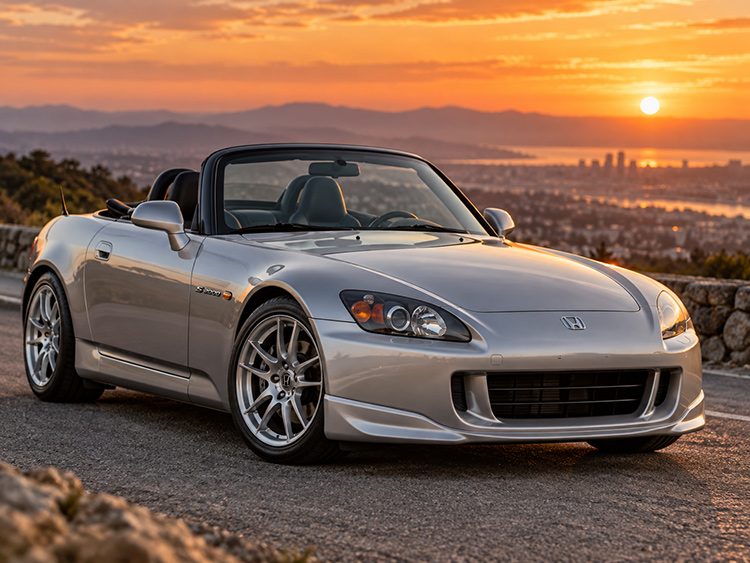
Thinking about buying a used Honda S2000? Learn what to inspect before paying, including engine reliability, oil consumption, transmission problems, convertible-top condition, accident damage, and AP1 vs. AP2 differences. Find out which warning signs to avoid and how to choose the right S2000.
Buying a used Honda S2000 can be one of the most rewarding purchases an automotive enthusiast makes. With its high-revving VTEC engine, six-speed manual transmission, rear-wheel-drive layout, and lightweight roadster design, the S2000 delivers a driving experience that's becoming increasingly difficult to find.
But finding the right S2000 isn't as simple as choosing the lowest-mileage example. These cars are now between 17 and 26 years old, and many have experienced aggressive driving, aftermarket modifications, track use, or questionable repairs.
A well-maintained S2000 can provide years of enjoyment, while a neglected example can quickly become an expensive project. Before handing over your money, you need to know exactly what to inspect, which problems are common, and what separates a good purchase from a costly mistake.
In this guide, we'll cover everything you should check before buying a used Honda S2000, including engine condition, transmission performance, suspension wear, convertible-top problems, accident history, and current market values.
Understanding the Honda S2000: AP1 vs. AP2
Honda produced the S2000 for the U.S. market from 2000 through 2009. During that time, the vehicle went through two primary versions known as the AP1 and AP2.
Although both models share the same basic roadster design, several important differences can influence which version is right for you.
AP1 Honda S2000 (2000-2003)
The original AP1 is particularly popular among enthusiasts who appreciate Honda's high-revving naturally aspirated engines.
- 2.0-liter F20C four-cylinder engine.
- 240 horsepower and 153 lb-ft of torque.
- Approximately 9,000 RPM maximum engine speed.
- Six-speed manual transmission.
- Rear-wheel drive.
- 16-inch factory alloy wheels.
- More aggressive original suspension tuning.
The AP1 is known for its sharp handling and exceptional engine character. However, its original suspension setup can be demanding near the limit, especially for drivers unfamiliar with powerful rear-wheel-drive sports cars.
Early AP1 models also deserve additional attention for oil consumption, drivetrain wear, and evidence of aggressive driving.
AP2 Honda S2000 (2004-2009)
For the 2004 model year, Honda introduced the AP2 with several mechanical and suspension improvements.
- 2.2-liter F22C1 four-cylinder engine in U.S. models.
- 240 horsepower in 2004-2005 models.
- 237 horsepower under revised SAE ratings beginning in 2006.
- 162 lb-ft of torque.
- Approximately 8,000 RPM engine redline.
- Revised suspension geometry and tuning.
- Updated transmission components and gearing.
- 17-inch factory wheels.
- Updated exterior styling and lighting.
The AP2 provides more usable torque at lower engine speeds, making it somewhat more flexible during everyday driving.
Honda also revised the suspension to provide more predictable handling characteristics.
Beginning with the 2006 model year, Honda introduced electronic throttle control and Vehicle Stability Assist (VSA).
For buyers who want a slightly more refined driving experience, the AP2 is often the preferred option.
AP1 vs. AP2: Quick Comparison
| Feature | AP1 | AP2 |
|---|---|---|
| Model Years | 2000-2003 | 2004-2009 |
| Engine | F20C 2.0L | F22C1 2.2L (U.S.) |
| Horsepower | 240 hp | 237-240 hp |
| Torque | 153 lb-ft | 162 lb-ft |
| Engine Character | Higher-revving | More midrange torque |
| Factory Wheels | 16 inches | 17 inches |
| Suspension | Original aggressive tuning | Revised geometry and tuning |
| Stability Control | Not equipped | Standard from 2006 |
| Driving Personality | Raw and demanding | More refined |
Neither generation is automatically better. Condition, maintenance, originality, and purchase price are ultimately more important than choosing an AP1 or AP2 based solely on specifications.
Step 1: Check the Vehicle History Before Seeing the Car
Before scheduling an inspection, ask the seller for the vehicle identification number (VIN) and review the car's available history.
Services such as CARFAX and AutoCheck can provide information about reported accidents, previous ownership, mileage records, and certain maintenance events.
However, a clean vehicle history report doesn't guarantee that the car has never been damaged. Not every accident or repair is reported to these services.
Look for:
- Clean, rebuilt, salvage, or other branded title history.
- Reported accidents and insurance claims.
- Odometer inconsistencies.
- Frequent ownership changes.
- Long gaps in registration or recorded mileage.
- Previous flood or water damage.
- Available service and repair records.
Verify that the VIN displayed on the dashboard, door-jamb label, title, and available records is consistent.
Also confirm that the seller has the legal authority to sell the vehicle and that any outstanding lien will be properly satisfied.
Pro tip: A clean title and a clean vehicle history report are not substitutes for a professional inspection. An experienced mechanic or collision-repair specialist may discover evidence of repairs that never appeared in a vehicle history database.
Step 2: Inspect the Engine for Oil Consumption and Leaks
The S2000's F20C and F22C1 engines are impressive pieces of engineering, but they require proper maintenance and adequate lubrication.
Because these engines are designed to operate at unusually high RPMs, maintaining the correct engine oil level is especially important.
Some S2000 engines, particularly early AP1 examples, are known to consume noticeable amounts of oil between changes.
Oil consumption alone doesn't automatically indicate an engine failure. However, excessive consumption combined with poor maintenance can create serious problems.
What to Check
- Check the engine oil level before the seller starts the vehicle.
- Inspect the dipstick for unusually low oil levels.
- Look for leaks around the valve cover and engine seals.
- Check for fresh oil underneath the engine.
- Inspect for excessive sealant or evidence of questionable engine repairs.
- Ask how frequently the owner checks and adds oil.
- Review oil-change receipts and maintenance records.
- Watch for persistent blue exhaust smoke that may indicate oil burning.
Ask the owner directly whether the engine consumes oil and, if so, approximately how much is added between oil changes.
A knowledgeable owner should have some understanding of the car's normal oil consumption and maintenance requirements.
If the seller claims the engine never needs its oil checked or becomes defensive when you ask about oil consumption, consider that a reason for additional investigation.
Step 3: Listen for Timing Chain Tensioner Problems
One commonly discussed S2000 maintenance concern involves the timing chain tensioner.
Both the F20C and F22C1 engines use a timing chain system, and wear or malfunction of the tensioner can create abnormal engine noise.
A failing tensioner may produce a rattling or buzzing sound, particularly during startup or at certain engine speeds.
Warning Signs
- Noticeable rattling during a cold start.
- Persistent metallic noise around the timing chain area.
- Unusual rattling at certain RPM ranges.
- Maintenance records showing repeated timing-related repairs.
Not every engine noise indicates a faulty tensioner. Valve train sounds and other components can create similar noises, so proper diagnosis is important.
However, a confirmed timing chain tensioner problem should not be ignored. A serious timing system failure can result in expensive internal engine damage.
Pro tip: Ask the seller not to warm up the S2000 before you arrive. A cold start can reveal noises and drivability problems that are less noticeable once the engine reaches operating temperature.
Step 4: Check Engine Compression and Overall Health
If you're seriously considering purchasing an S2000, especially one with high mileage or unknown maintenance history, a professional engine inspection is a worthwhile investment.
A compression test can help identify differences in cylinder sealing, while a leak-down test can provide additional information about where compression may be escaping.
These tests are particularly useful when evaluating an engine that may have experienced high-RPM operation, overheating, or extensive modifications.
Ask the inspecting technician to evaluate:
- Compression consistency across all four cylinders.
- Leak-down results.
- Evidence of overheating.
- Oil contamination.
- Engine misfires or unusual operating noises.
- Cooling system condition.
- Signs of previous internal engine work.
Results should be interpreted using Honda's specifications and the correct testing procedure. A single pressure reading without testing context does not tell the whole story.
On early AP1 models, it's also worth asking about valve train condition, valve adjustment history, and potential damage caused by previous over-revving incidents.
An engine damaged by an incorrect downshift can suffer mechanical problems even when it has relatively low mileage.
Step 5: Test the Six-Speed Manual Transmission
The S2000's six-speed manual transmission is one of its defining features. When everything is working correctly, the shifter should feel precise and mechanical, with positive gear engagement.
However, some examples develop worn synchronizers or shifting problems, particularly if the vehicle has been driven aggressively.
During a test drive, pay attention to how the transmission behaves both when cold and after warming up.
Transmission Warning Signs
- Grinding when selecting second or third gear.
- Difficulty engaging certain gears.
- Excessive resistance during normal shifts.
- Gears unexpectedly disengaging.
- Unusual whining noises.
- Grinding when selecting reverse with the vehicle stopped.
- Clutch engagement that feels inconsistent or abnormal.
Second- and third-gear synchronizer wear is a commonly discussed issue on used S2000s.
A worn clutch can also create shifting difficulties, making it important to distinguish a transmission problem from a clutch or hydraulic system problem.
Have a qualified mechanic diagnose any persistent grinding or engagement issues before agreeing to buy.
Transmission repairs can be expensive, and a car advertised as needing only a minor adjustment may actually require considerably more work.
Step 6: Inspect the Clutch and Rear Differential
Because the S2000 is a rear-wheel-drive sports car, the clutch, driveshaft, and rear differential deserve careful attention.
During normal driving, listen for unusual drivetrain noises and pay attention to how smoothly power is delivered.
Clutch Inspection
- Check for slipping during normal acceleration.
- Pay attention to clutch pedal engagement.
- Listen for unusual noises when pressing or releasing the pedal.
- Inspect the clutch hydraulic system for leaks.
- Ask whether the clutch has been replaced previously.
Rear Differential Inspection
- Listen for excessive whining or humming.
- Check for fluid leaks near the differential housing.
- Inspect mounts and surrounding bushings.
- Ask about differential fluid maintenance.
- Look for evidence of improper repairs or impact damage.
Some drivetrain noise may be characteristic of a lightweight sports car, but persistent grinding, excessive vibration, clunking, or fluid leakage should be investigated.
Step 7: Examine the Convertible Soft Top
The S2000's electrically operated convertible top is another important area to inspect.
Over time, exposure to sunlight, moisture, repeated folding, and general wear can damage the soft-top material and its associated components.
Early 2000-2001 S2000 models originally used a plastic rear window, while 2002 and newer models received a glass rear window with a defroster.
The plastic window on early models can become cloudy, scratched, or cracked with age.
What to Check
- Operate the convertible top through a complete opening and closing cycle.
- Inspect the fabric for tears, splitting, and excessive wear.
- Look for damage near the folding points.
- Check the rear window for cracks or separation.
- Inspect weatherstripping around the windshield and side windows.
- Verify that the top latches securely.
- Listen for unusual noises from the top mechanism.
- Check for moisture around the seats, carpets, and trunk.
Don't assume a small tear is inexpensive to repair. Depending on the condition of the material, replacing the entire convertible top may be the more practical solution.
Water intrusion can also create electrical problems, unpleasant odors, and hidden corrosion.
Pro tip: Lift the trunk carpeting and inspect the storage areas for moisture, staining, or signs of past water damage. A clean exterior doesn't guarantee the car has remained dry inside.
Step 8: Look for Accident Damage and Poor Body Repairs
Unfortunately, not every used S2000 has spent its life cruising on sunny weekends.
Some have been involved in accidents, driven at track events, or repaired after losing traction.
Because the S2000 is a relatively lightweight rear-wheel-drive sports car, hidden accident damage should be taken seriously.
Exterior Inspection Checklist
- Inspect panel gaps around the hood, doors, and trunk.
- Look for mismatched paint colors.
- Check for overspray around rubber seals and trim.
- Inspect the front bumper and fenders for unusual alignment.
- Look for damaged or missing factory fasteners.
- Check the headlights and taillights for inconsistent fitment.
- Inspect the trunk floor for evidence of previous repairs.
- Look underneath the vehicle for damaged structural components.
- Check suspension mounting areas for repairs or deformation.
A repaint doesn't automatically mean the vehicle has been involved in a serious accident. Older cars often receive cosmetic paintwork because of fading, scratches, or minor damage.
However, structural repairs and poorly documented collision damage can significantly affect the car's safety, handling, and resale value.
If something looks unusual, arrange an inspection with a qualified collision-repair specialist who can evaluate the vehicle's structure and previous repair quality.
Step 9: Check for Rust and Underbody Corrosion
Although the Honda S2000 generally has good corrosion resistance, age and environmental exposure can still cause rust.
Vehicles driven in areas where roads are salted during winter deserve particularly close inspection.
Even cars from warmer climates can develop corrosion due to coastal exposure, moisture intrusion, or previous accident repairs.
Areas to Inspect
- Rear wheel arches and quarter panels.
- Rocker panels and lower body seams.
- Suspension mounting points.
- Front and rear subframes.
- Exhaust and underbody brackets.
- Brake and fuel line areas.
- Trunk floor and surrounding seams.
- Suspension adjustment bolts and eccentric hardware.
Surface corrosion on exposed hardware may be manageable, but severe rust around structural components or suspension mounting points can become a major expense.
Rust-damaged suspension adjustment hardware can also make future alignments difficult or require additional replacement parts.
Have the vehicle inspected on a lift rather than relying only on photographs of its underside.
Step 10: Inspect the Suspension, Steering, and Tires
The S2000 is known for responsive handling, but worn suspension components can dramatically change how the car feels.
Older examples may have tired bushings, leaking dampers, worn ball joints, or questionable aftermarket suspension modifications.
Inspect the suspension carefully, particularly if the car has been lowered.
- Look for leaking shock absorbers.
- Inspect suspension bushings for cracking or deterioration.
- Check ball joints and steering components for excessive play.
- Inspect wheel bearings for abnormal noise.
- Look for uneven tire wear.
- Check for evidence of bent suspension arms.
- Inspect aftermarket coilovers and mounting hardware.
- Verify that the wheels and tires have adequate clearance.
The S2000 uses a staggered wheel and tire configuration from the factory. Tire size, condition, and matching specifications are important for predictable handling.
Uneven tire wear may indicate alignment problems, worn components, or previous collision damage.
During the test drive, the steering should feel predictable and the vehicle should track properly on a level road.
Excessive pulling, vibration, or instability should be investigated before purchase.
Step 11: Inspect Aftermarket Modifications
The Honda S2000 has a massive enthusiast following, which means many used examples have been modified.
Common modifications include aftermarket wheels, coilovers, exhaust systems, cold air intakes, ECU tuning, turbochargers, and superchargers.
Not all modifications are bad. A properly installed suspension kit or quality exhaust system can enhance the ownership experience.
However, poorly installed parts can create reliability and safety problems.
Modifications That Deserve Extra Attention
- Turbocharger or supercharger installations.
- Aftermarket ECU tuning.
- Extremely low suspension setups.
- Non-factory engine components.
- Deleted emissions equipment.
- Modified wiring harnesses.
- Aftermarket roll bars or significant interior alterations.
- Engine swaps or rebuilt engines.
If the car has a forced-induction setup, ask for detailed documentation showing the parts installed, tuning performed, and supporting modifications.
Improper fueling or calibration can cause substantial engine damage, especially on a high-compression engine originally designed for naturally aspirated operation.
For buyers seeking long-term reliability and collector value, an original or lightly modified S2000 may be the safest choice.
Step 12: Check Maintenance and Service Records
A well-documented S2000 is generally more reassuring than an example with an unknown maintenance history.
Because the S2000's engines and drivetrains are increasingly expensive to repair or replace, maintenance records should carry substantial weight in your purchasing decision.
Ask for documentation showing:
- Regular engine oil and filter changes.
- Valve clearance inspections and adjustments.
- Transmission fluid replacement.
- Rear differential fluid replacement.
- Brake fluid maintenance.
- Cooling system maintenance.
- Clutch replacement or hydraulic repairs.
- Timing chain tensioner work, if performed.
- Suspension repairs and alignments.
- Convertible-top repairs or replacements.
- Major engine repairs or modifications.
Missing paperwork doesn't automatically mean a vehicle was poorly maintained, especially if the previous owner performed routine maintenance personally.
However, a seller who can provide detailed receipts, maintenance logs, and consistent explanations offers a much clearer picture of the vehicle's history.
Step 13: Take a Proper Test Drive
A short drive around the block isn't enough to evaluate a used S2000.
Whenever possible, arrange a test drive long enough to evaluate normal engine operation, transmission engagement, steering, braking, and ride quality.
Start with gentle driving while the engine reaches normal operating temperature.
During the Test Drive
- Verify that the engine starts normally when cold.
- Check for unusual engine noises or persistent warning lights.
- Observe idle quality and throttle response.
- Test all six gears using normal, smooth shifts.
- Pay attention to clutch engagement.
- Listen for differential and wheel-bearing noises.
- Check braking performance and steering stability.
- Look for abnormal temperature readings.
- Confirm that the vehicle tracks straight.
- Watch for vibrations, rattles, or other unusual behavior.
Do not attempt aggressive high-RPM driving to prove the engine's performance before its mechanical condition has been established.
If the seller refuses a reasonable test drive or independent inspection, consider that a significant warning sign.
Step 14: Get a Pre-Purchase Inspection
Before making a final decision, consider having the S2000 inspected by an independent mechanic familiar with Honda performance vehicles.
A proper pre-purchase inspection can uncover problems that aren't obvious during a casual inspection.
Ask the technician to examine:
- Engine health and fluid leaks.
- Cooling system operation.
- Transmission and clutch condition.
- Rear differential and drivetrain components.
- Suspension and steering wear.
- Brake condition.
- Underbody corrosion.
- Evidence of accident repairs.
- Electrical and diagnostic trouble codes.
- Aftermarket modifications.
For a particularly expensive or questionable example, a compression test, leak-down test, and separate structural inspection may be worthwhile.
A professional inspection costs money, but discovering a major mechanical or structural problem before purchasing can prevent a much larger financial loss.
How Much Should You Pay for a Used Honda S2000?
Used Honda S2000 prices vary considerably based on model year, mileage, originality, condition, accident history, and location.
Low-mileage, unmodified vehicles with documented maintenance can command substantial premiums over high-mileage examples with uncertain histories.
As of October 2026, CLASSIC.COM's approximate market benchmarks are:
| Version | Market Benchmark |
|---|---|
| AP1 (2000-2003) | $29,800 |
| AP2 Standard (2004-2009) | $35,300 |
| S2000 CR (2008-2009) | $74,700 |
These figures are market benchmarks, not guaranteed purchase prices or fixed valuation ranges. Individual cars may sell for considerably more or less depending on their condition, mileage, originality, and documentation.
When evaluating a listing, compare the asking price with recent completed sales of similarly equipped S2000s rather than relying exclusively on active advertisements.
For current market activity, visit CLASSIC.COM's Honda S2000 Market.
Is the Honda S2000 CR Worth the Premium?
The Honda S2000 Club Racer, commonly called the S2000 CR, is a special track-focused version sold in the United States for the 2008 and 2009 model years.
Compared with the standard S2000, the CR received revised suspension tuning, additional aerodynamic components, chassis enhancements, and weight-saving changes.
One particularly important difference is that the CR was equipped with a removable hardtop instead of the standard convertible soft top.
Its limited production and distinctive equipment make it attractive to collectors.
However, buyers should verify that the vehicle is a genuine CR and that its model-specific components remain intact.
A modified standard S2000 with a large rear wing and aftermarket hardtop should not be represented as a factory Club Racer.
For buyers primarily interested in regular driving, the standard AP2 may offer better value.
Common Red Flags: When to Walk Away
Sometimes the smartest purchase decision is deciding not to buy the car at all.
These warning signs deserve particular attention:
- Low engine oil: An owner who routinely operates the car with insufficient oil may have caused internal wear.
- Persistent timing chain rattle: Unresolved timing system problems can become expensive.
- Grinding transmission: Worn synchronizers may require significant repair work.
- Undocumented engine modifications: Poor tuning or questionable parts can reduce reliability.
- Structural collision damage: Improper repairs can affect handling, safety, and resale value.
- Severe rust: Corrosion around structural components can be costly to repair.
- Water-damaged interior: Moisture intrusion can create hidden electrical and corrosion issues.
- Inconsistent VIN or title information: Identity or ownership discrepancies must be resolved before payment.
- Seller refusing an inspection: A reasonable request for professional evaluation shouldn't automatically end negotiations.
- Unexplained warning lights: Check engine, ABS, airbag, or other warning indicators require proper diagnosis.
No single cosmetic imperfection makes an S2000 a bad purchase. However, multiple mechanical problems, missing documentation, and an unwilling seller can quickly turn an attractive listing into a poor investment.
What Should You Budget After Buying an S2000?
Even if the vehicle appears to be in excellent condition, it's wise to reserve some money for initial maintenance.
Older performance cars often need attention to components that deteriorate with age, regardless of mileage.
Possible initial expenses include:
- Engine oil and filter service.
- Transmission and differential fluid replacement.
- Brake fluid service.
- Coolant replacement.
- New tires.
- Brake pads and rotors.
- Suspension bushings or dampers.
- Convertible-top repairs.
- Alignment and suspension inspection.
- Clutch or other drivetrain maintenance.
Insurance, registration, taxes, storage, and any required emissions or safety inspections should also be included in your budget.
It's better to purchase a slightly less expensive example with a healthy maintenance reserve than to spend your entire budget on the purchase price alone.
Should You Buy a High-Mileage S2000?
High mileage doesn't automatically mean a Honda S2000 should be avoided.
A properly maintained example with 120,000 miles may be a better purchase than a neglected car showing only 50,000 miles.
However, mileage should still influence your inspection and expectations.
On higher-mileage examples, pay additional attention to engine compression, oil consumption, clutch wear, suspension components, convertible-top condition, and evidence of previous repairs.
Prioritize documented maintenance and actual mechanical condition rather than relying on the odometer alone.
Is a Stock S2000 Better Than a Modified One?
For buyers interested in long-term ownership, predictable reliability, or collector appeal, a stock S2000 generally offers several advantages.
Factory components make maintenance and troubleshooting more straightforward, and original vehicles may attract a broader pool of buyers when it's time to sell.
However, tasteful and properly documented modifications don't automatically make a vehicle undesirable.
A lightly modified S2000 with quality suspension components, a reputable exhaust, and professional installation can still be an excellent car.
The most important questions are whether the modifications were performed correctly and whether they fit your intended use.
When evaluating heavily modified examples, consider the additional inspection work, maintenance costs, emissions requirements, and potential resale limitations.
Frequently Asked Questions
Is the Honda S2000 a reliable used sports car?
The Honda S2000 has a strong reputation for durability when properly maintained. However, its high-revving engine, age, and history of enthusiast use make regular maintenance and careful pre-purchase inspections especially important.
What is the biggest problem with a used Honda S2000?
There isn't one universal problem affecting every example. Common concerns include oil consumption, timing chain tensioner noise, worn transmission synchronizers, convertible-top deterioration, and damage from previous accidents or modifications.
Is the AP1 or AP2 S2000 better?
The AP1 offers a higher-revving engine and a more demanding original driving character. The AP2 provides additional low- and midrange torque, revised suspension behavior, and later-model refinements. The better choice depends on your priorities and the condition of the individual vehicle.
How many miles is too many for an S2000?
There is no universal mileage limit. Service history, engine health, previous driving conditions, and maintenance quality are more important than a specific odometer reading. High-mileage examples should receive a thorough mechanical inspection.
Do Honda S2000 engines burn oil?
Some S2000 engines consume noticeable amounts of oil between changes, particularly early AP1 examples. Consumption varies between vehicles, so it's important to ask about oil usage and check the engine's condition before purchasing.
Are Honda S2000 parts expensive?
Some routine maintenance parts remain reasonably accessible, but certain model-specific engine, body, interior, and convertible-top components can be expensive or difficult to find. Availability should be considered before purchasing a neglected example.
Is a Honda S2000 a good daily driver?
It can be, particularly for drivers who enjoy manual transmissions and lightweight sports cars. However, limited cargo space, a firm ride, low ground clearance, and an aging convertible top can make it less convenient than a modern coupe or sedan.
Can you drive a Honda S2000 in the rain?
Yes, provided the vehicle is properly maintained and equipped with suitable tires. However, its rear-wheel-drive layout and responsive handling require additional care on wet surfaces. Tires, speed, and driver inputs are especially important.
Does the S2000 have traction control?
U.S.-market S2000 models from 2006 onward included Honda's Vehicle Stability Assist system. Earlier AP1 and AP2 models did not have this factory electronic stability-control system.
Are Honda S2000s increasing in value?
Well-preserved and collectible examples have attracted significant interest, but prices fluctuate with market conditions, mileage, condition, and originality. Buyers should examine recent completed sales rather than assuming every S2000 will appreciate.
Should I buy an S2000 with a rebuilt title?
A rebuilt-title example may cost less, but it carries additional uncertainty involving past damage, repair quality, insurance, financing, and resale value. Have the vehicle inspected by a qualified structural repair specialist and verify all applicable title requirements before considering a purchase.
Should I get a pre-purchase inspection before buying an S2000?
Yes. An independent inspection is strongly recommended, especially for higher-mileage, modified, or expensive examples. A professional inspection can identify problems that aren't obvious during a casual test drive.
Final Thoughts: Is a Used Honda S2000 Worth Buying?
The Honda S2000 remains one of the most engaging sports cars Honda has ever produced. Its high-revving engine, precise six-speed manual transmission, lightweight construction, and rear-wheel-drive layout deliver a driving experience that continues to attract enthusiasts.
But buying the wrong example can become an expensive lesson.
Before committing to a purchase, take the time to inspect the engine, verify maintenance records, test the transmission, examine the convertible top, and look carefully for accident damage or questionable modifications.
Don't let low mileage, fresh paint, or an attractive asking price distract you from the vehicle's actual mechanical condition.
Our recommendation: Look for the cleanest, best-maintained S2000 you can reasonably afford, preferably with documented service history and an independent pre-purchase inspection.
A healthy, properly maintained example is usually a better investment than a cheaper car requiring major repairs.
Whether you prefer the high-revving AP1 or the more refined AP2, finding the right S2000 can reward you with an exceptional ownership experience.
Thinking about buying a Honda S2000? Share the model year, mileage, and asking price of the one you're considering in the comments below. We'd love to hear what you've found.
Sources and Further Reading
- Honda - 2004 S2000 Powertrain and Engine Changes
- Honda - 2006 S2000 Features
- Grassroots Motorsports - Honda S2000 Buyer's Guide
- MotorTrend - Honda S2000 Buyer's Guide
- CLASSIC.COM - Honda S2000 Market Values
- NHTSA - Vehicle Safety Recall Lookup
- FTC - Used Car Buying Advice
Editorial note: Market prices and valuation benchmarks reflect information available in October 2026 and are subject to change. This guide provides general buying advice; individual vehicles should be evaluated through an independent mechanical inspection.
1 comment